recursos/
notícias
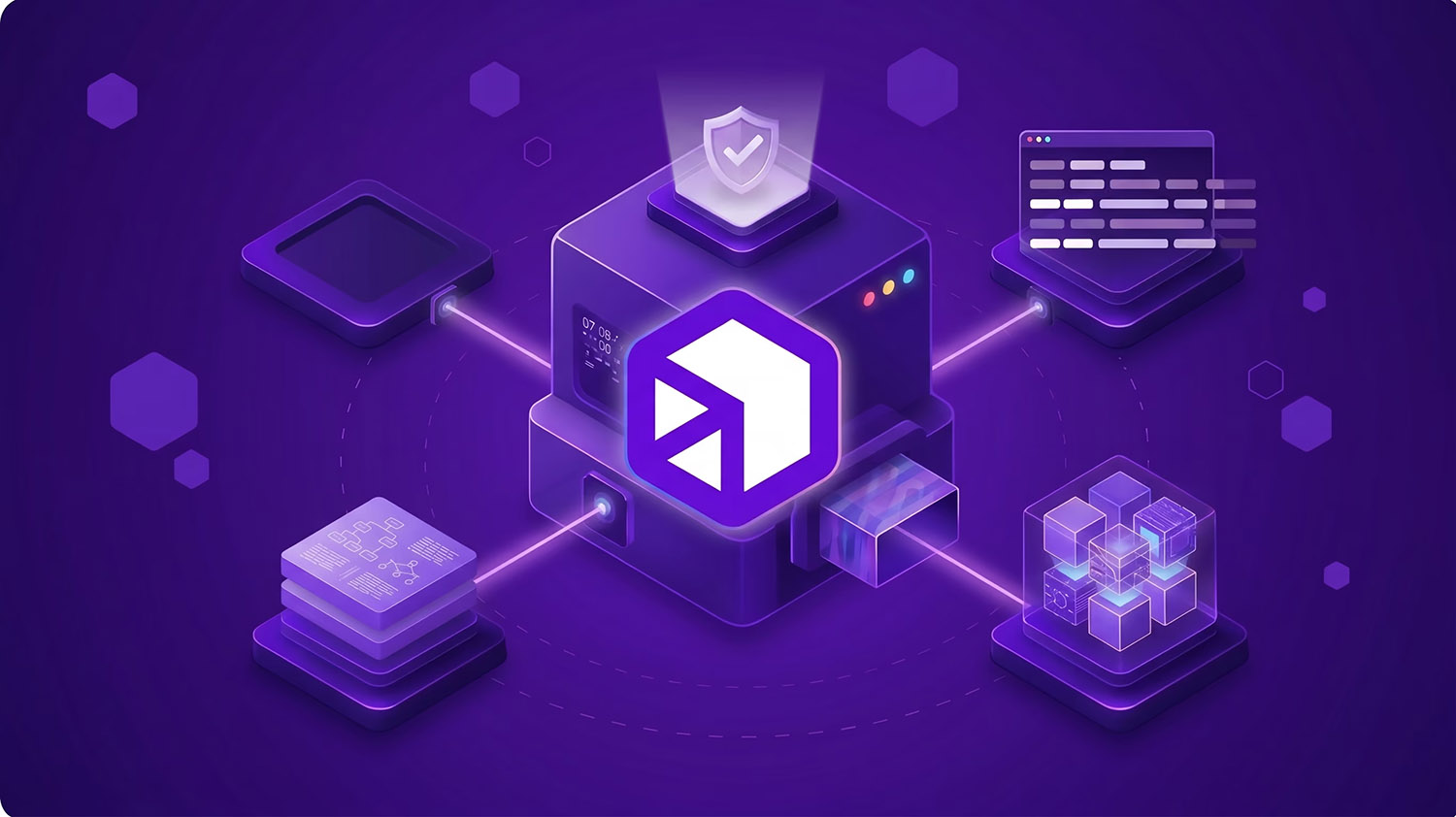
A verdade está no seu código ou na sua especificação?
Entenda por que o vibe coding não é suficiente para infraestruturas corporativas e por que especificações consistentes são essenciais.
Leia mais
recursos/
Entenda por que o vibe coding não é suficiente para infraestruturas corporativas e por que especificações consistentes são essenciais.
POSTS EM DESTAQUE
TODOS OS POSTS
iPaaS é uma plataforma de integração como serviço que conecta sistemas, dados e processos em uma camada estruturada, segura e escalável.


Uma plataforma de integração conecta sistemas, aplicações, dados e processos para reduzir silos, automatizar workflows e sustentar operações com mais eficiência, segurança e escala.

Uma plataforma de integração como serviço (iPaaS) conecta aplicações, dados e processos em uma camada cloud estruturada para reduzir a complexidade e aumentar a governança e a escalabilidade.

Uma plataforma iPaaS conecta sistemas, dados e processos em uma camada de integração cloud, reduzindo a complexidade e ampliando governança, segurança e escalabilidade.

O processo de integração de sistemas conecta aplicações, dados e fluxos operacionais para reduzir silos, automatizar workflows e criar uma operação mais eficiente e escalável.

Integração horizontal, vertical, de dados e via middleware atendem a diferentes necessidades. Entenda como cada abordagem funciona e quando utilizá-la.

Os três pilares do CRM são pessoas, processos e tecnologia. Entenda como eles se complementam para criar relacionamentos mais consistentes e uma melhor experiência do cliente.

APIs públicas, privadas e de parceiros atendem a diferentes necessidades de acesso e integração. Entenda como cada tipo funciona e quando utilizá-lo.

CRM operacional, analítico, colaborativo e estratégico atendem a diferentes necessidades do relacionamento com clientes. Entenda como cada tipo funciona e quando utilizá-lo.
Sistemas de integração conectam aplicações, dados e processos para reduzir silos, automatizar workflows e criar operações mais eficientes, seguras e escaláveis.