Migrate SAP.
Secure the factory.
Ship faster.
Connect SAP S/4HANA, MES, WMS, and Salesforce Manufacturing Cloud. A single integration layer, securely deployed in your cloud, connected to the factory floor.




Connect SAP S/4HANA, MES, WMS, and Salesforce Manufacturing Cloud. A single integration layer, securely deployed in your cloud, connected to the factory floor.
Production, inventory, and logistics data flows live into your analytics platform.
Cloud analytics and on-premises systems share data through zero-trust access.
AI models query live production data and trigger workflows through existing pipelines.
“With Digibee, we reduced both the time and cost of our integration process by at least 30%. Furthermore, we significantly simplified the landscape of our SAP program and legacy systems.”


Transition from SAP ECC to S/4HANA Cloud without production interruptions or project delays.
Integrate Salesforce, SAP, and WMS to automatically process orders, activate fulfillment, and reconcile invoices.
Synchronize SAP Ariba, ERP, and supplier systems across the entire purchasing cycle without manual steps.
Convert production pipelines into accessible tools for AI agents to utilize.
Transfer IoT sensor and MES information to Snowflake or Databricks using zero-trust network connectivity.
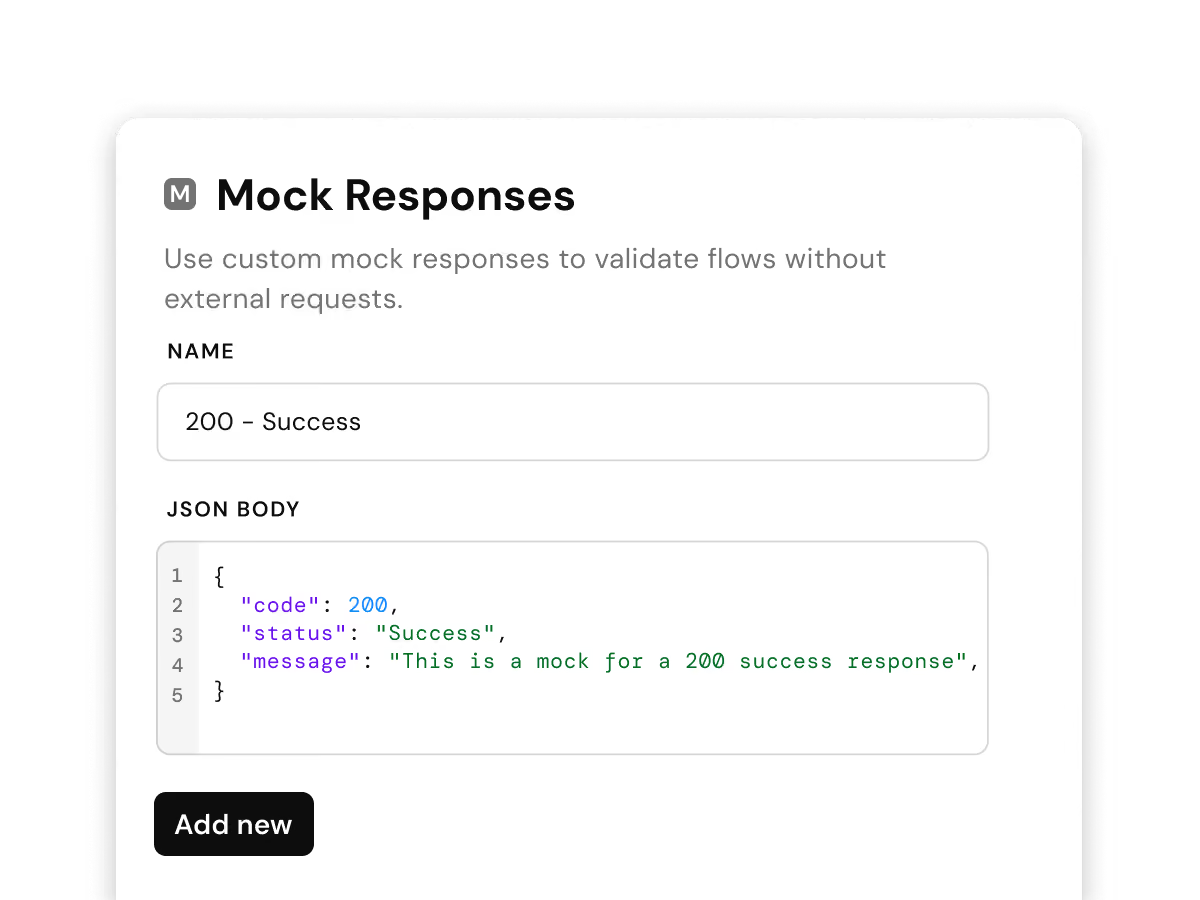
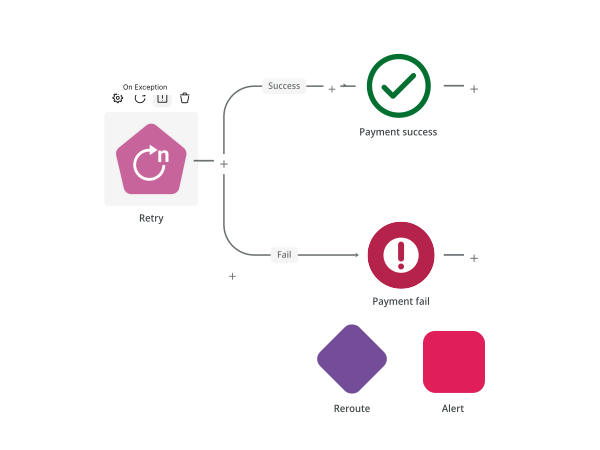
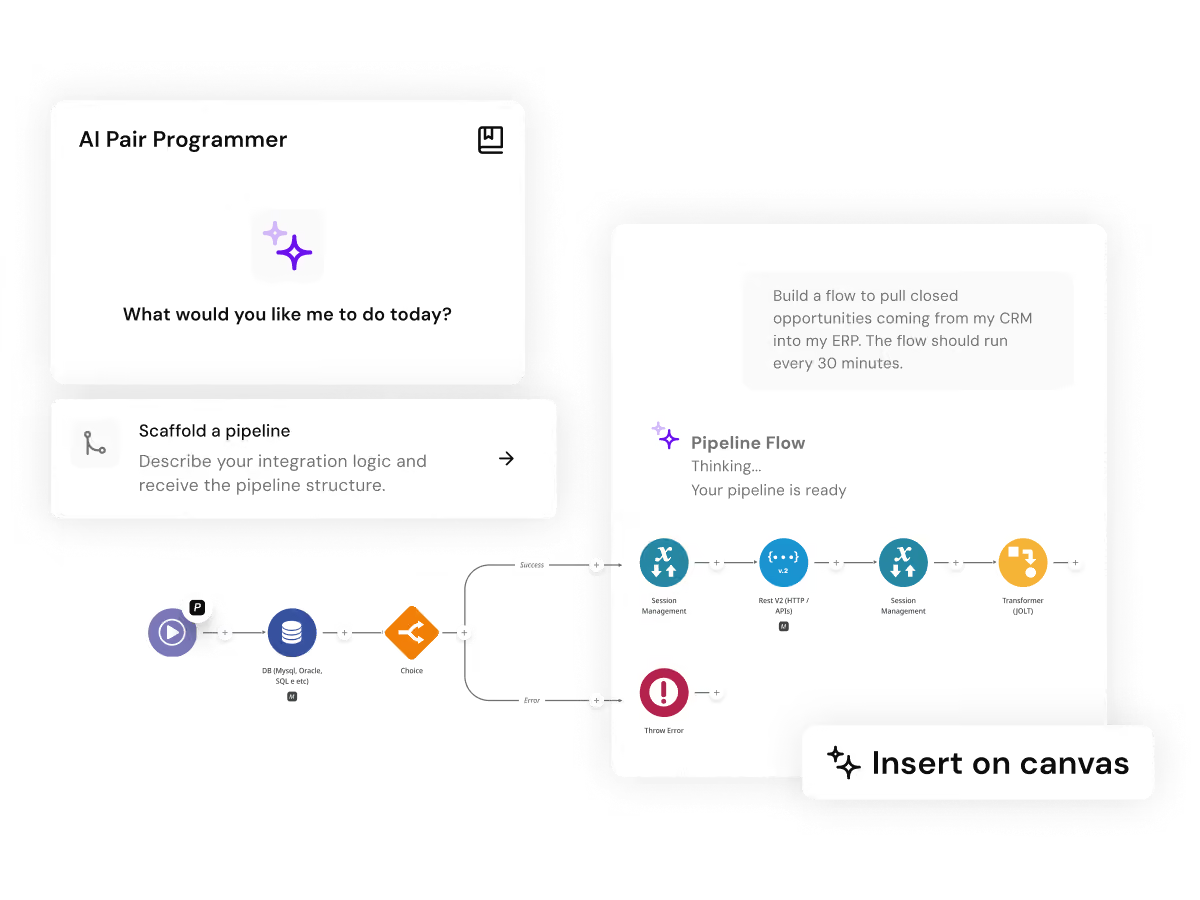
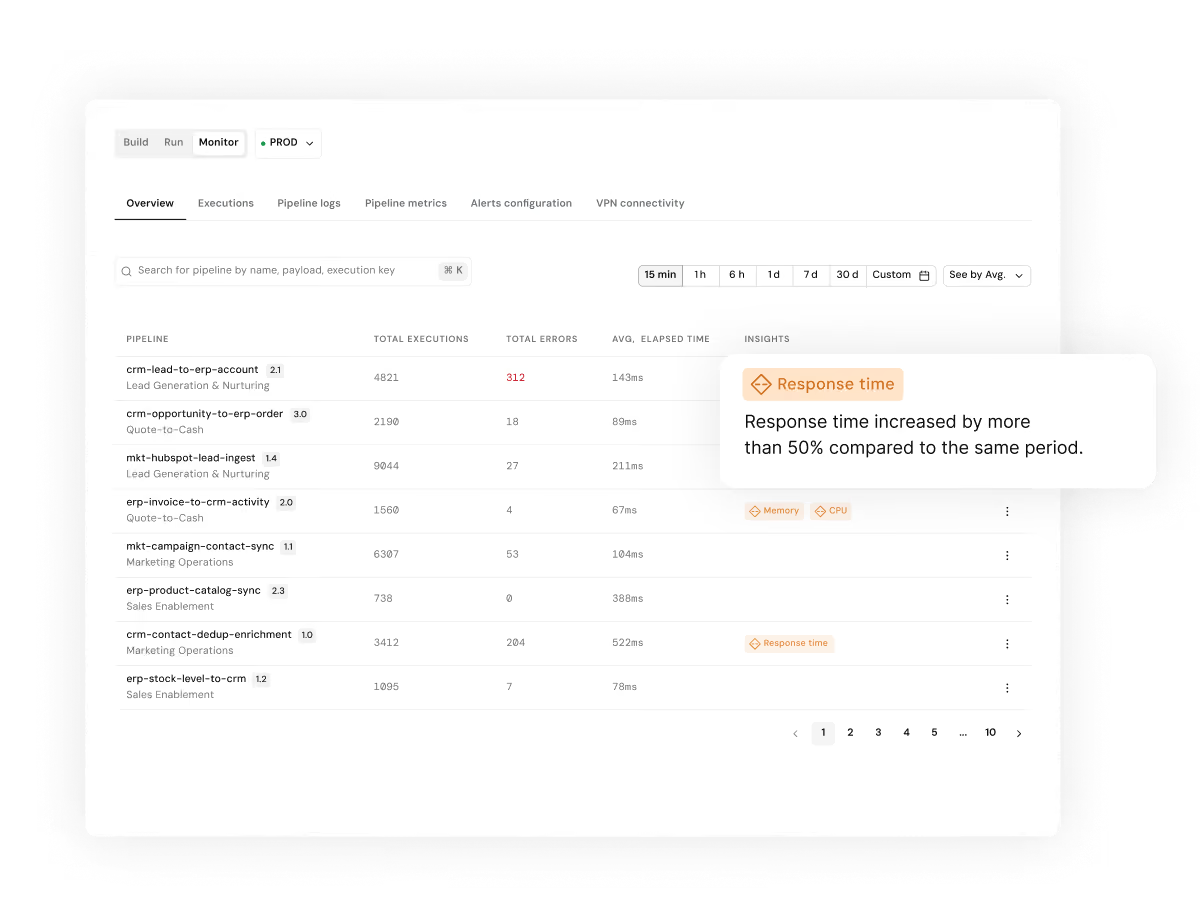

With fail-safe workflows, unified agent development, and managed updates, you can focus on what you’re building.

Simple, consumption-based pricing just like your cloud provider. No complicated add-ons.

AI acceleration combined with a flexible, low-code developer experience and seamless deployment.


.svg)


Three metrics. One dashboard. No surprises.
Release notes and updates from the Digibee team.
Outbound-only HTTPS. No firewall changes. Connected to the mainframe on day one.