Connect every system.
Firewall intact.
With Digibee, your systems talk to each other—on-site or in the cloud. Connect monitoring to cloud identity. No custom code. No security exceptions. Just automated routing.


With Digibee, your systems talk to each other—on-site or in the cloud. Connect monitoring to cloud identity. No custom code. No security exceptions. Just automated routing.
Stop managing middleware infrastructure. Automate incident routing.
On-premises systems reach cloud platforms through outbound-only ZTNA connections.
SAP, Oracle, and NetSuite stay synchronized across every business unit.
“I’ve got three different developers that interact with Digibee. All three are different in terms of their skill sets or talents. Every single one of them are able to go into Digibee and be productive and back up each other now with the assistance of the AI tool.”


Connect Datadog, PagerDuty, and Prometheus alerts directly into ServiceNow incidents without manual triage.
Automatically and dynamically provision new-hires to appropriate Slack channels, Jira projects and more.
Route on-premises Zabbix and Nagios monitoring events to cloud ITSM without inbound firewall rules.
Aggregate Kafka event streams from multiple monitoring sources, suppress noise, and route prioritized alerts.
Wrap aging, on-prem ERPs or mainframes in a secure API layer. Expose legacy data without modifying original code.
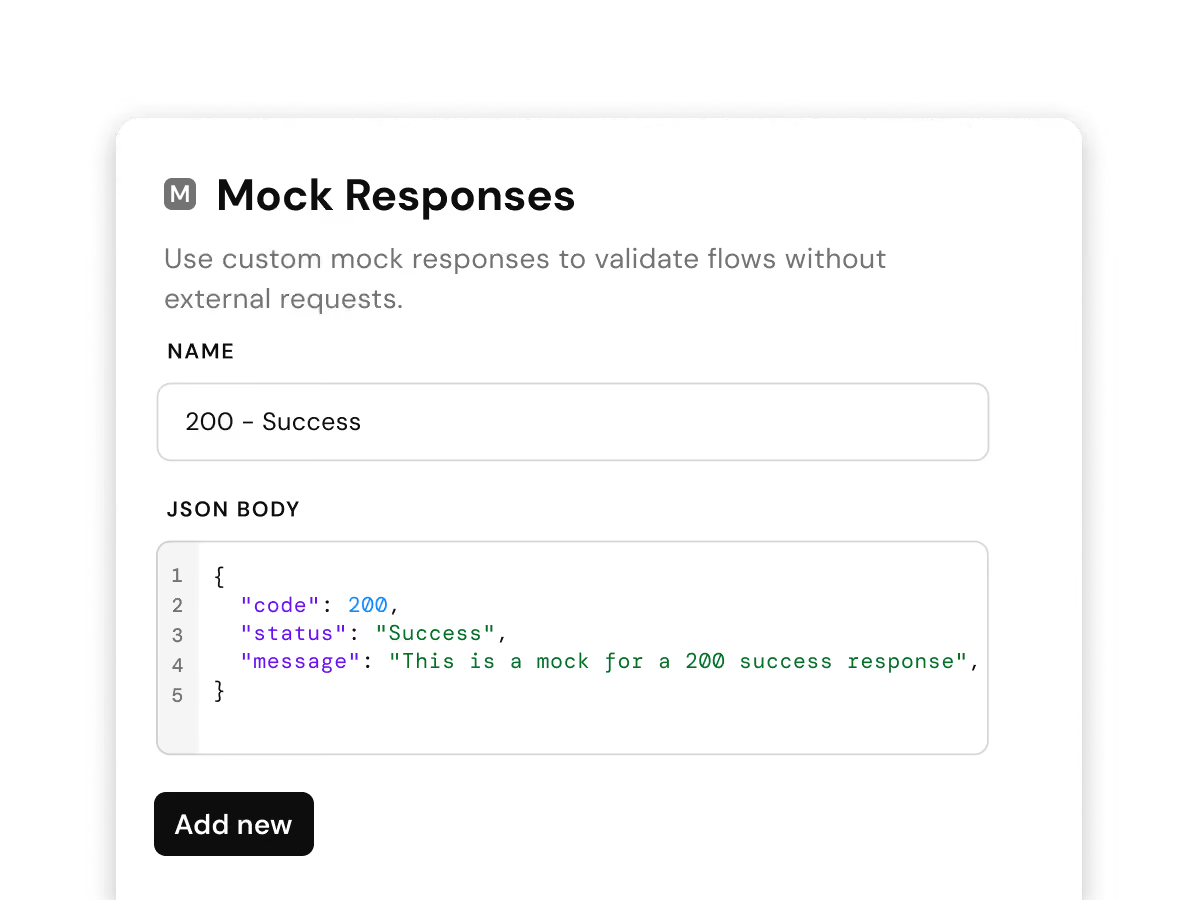
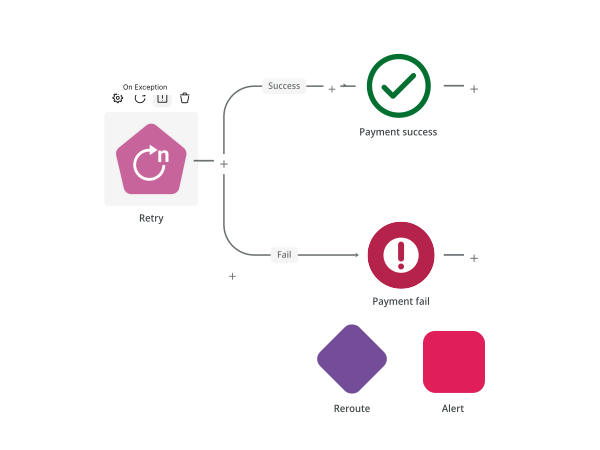
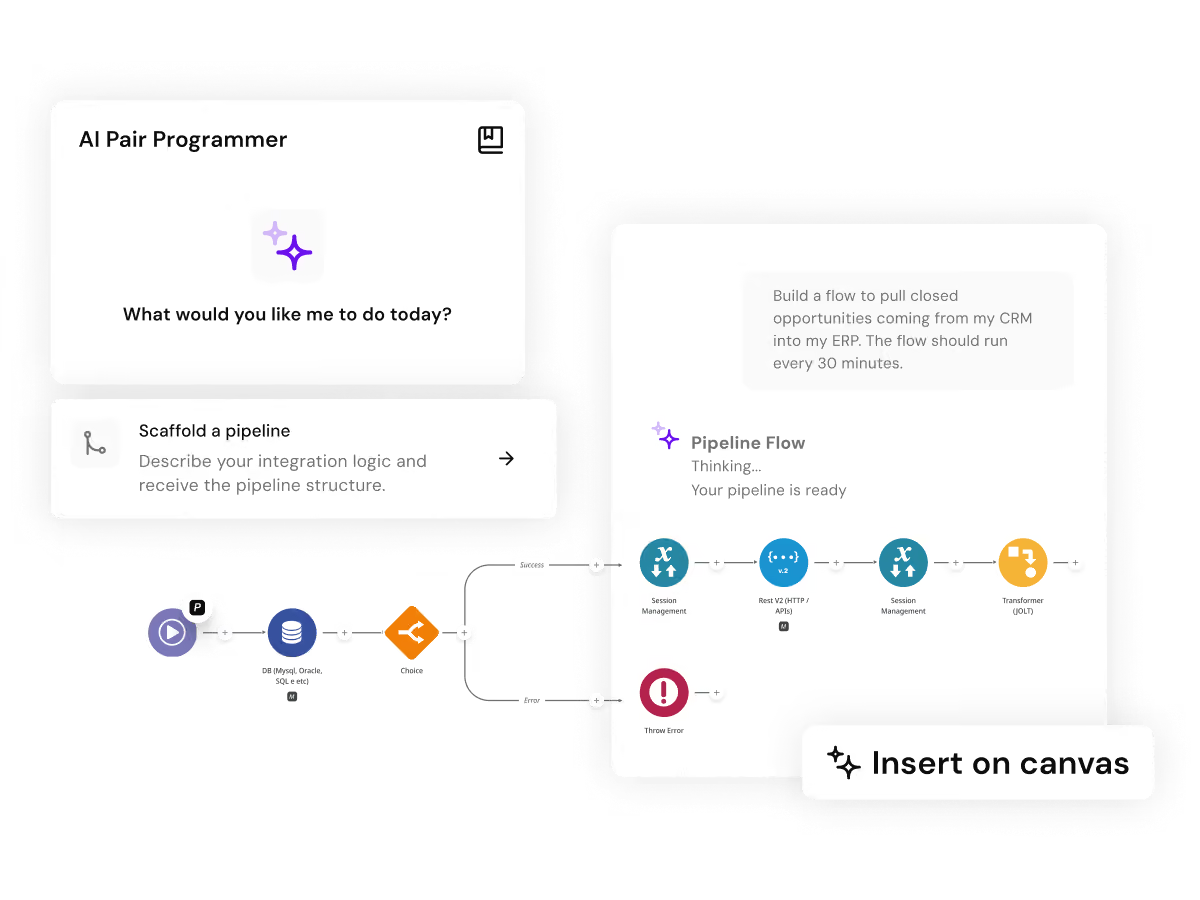
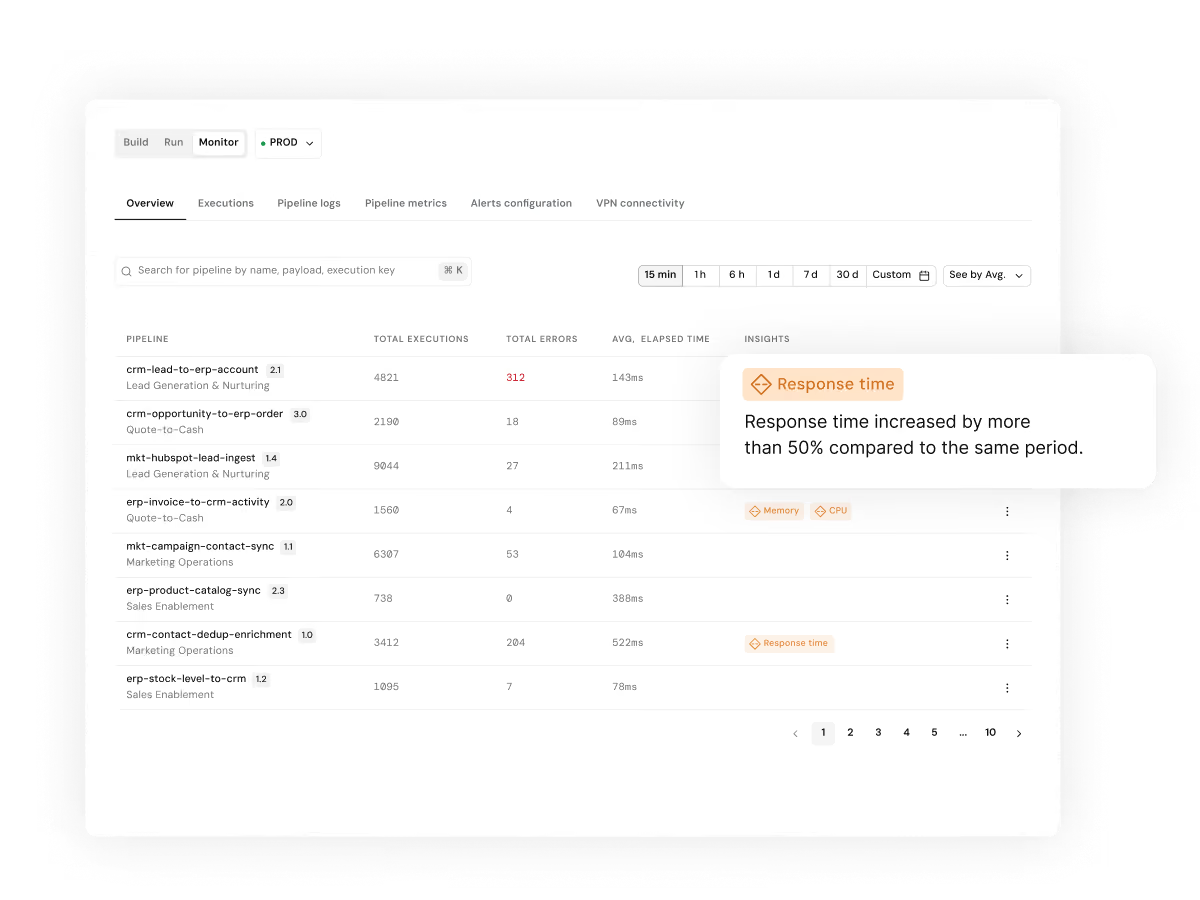

With fail-safe workflows, unified agent development, and managed updates, you can focus on what you’re building.

Simple, consumption-based pricing just like your cloud provider. No complicated add-ons.

AI acceleration combined with a flexible, low-code developer experience and seamless deployment.


.svg)


Three metrics. One dashboard. No surprises.
Release notes and updates from the Digibee team.
Dual-landscape routing keeps legacy and cloud running until you’re ready to cut over.