Five moments worth watching from our Agentic Integration Awakening interview
Highlights from a conversation between Digibee's CTO about Digibee Digital Worker and his new playbook for integration leaders.

publicado em
November 18, 2026
Highlights from a conversation between Digibee's CTO about Digibee Digital Worker and his new playbook for integration leaders.
In the future, we expect critical integrations to still run in deterministic workflows, but the workflows will be built and maintained by humans collaborating with AI agents.
Peter Kreslins, Digibee's CTO and co-founder, is working to make that happen. He has been a driving force behind Digibee's transformation into an AI-native company. He read Bessemer's The Agentic Awakening and thought it was written for him.
He went on to write the integration version, The Agentic Integration Awakening. I recently asked him which parts of Bessemer's article stuck with him and what he wanted to add for integration teams.
The full conversation is below. If you're short on time, five moments are worth the jump. Timestamps are approximate.
Digibee asked itself a question that Peter called "very uncomfortable but right to ask." Could a customer point Claude Code at an integration problem and make Digibee unnecessary?
The team ran a test. Same task, same inputs, except Claude Code didn't get our harness. Peter's verdict: Claude Code is "super good," but Digibee Digital Workers, the AI-native interface for the Digibee platform, did more, with fewer errors.
Cost is the other half of the answer. Trial, error, and re-prompting burn tokens, and a tool that knows the shortcuts spends less. We broke down the numbers in [LINK: Claude vs. Skeleton Builder post].
A new hire learns your company by running into people in the cafeteria or other common spaces. AI agents can't do that, at least, not yet.
So each customer's first project with Digibee Digital Workers requires teaching: your rules, your systems, the regulations you answer to. Digibee pairs a forward-deployed engineer with the customer to speed that up. By the third or fourth project, the digital worker already knows which database holds your customer data. By the tenth, Peter says, delivery is much faster.
The team is also testing a shortcut: recording conversations between knowledgeable people, and feeding its transcription into a digital worker to extract institutional knowledge. It's still an experiment. But the video above, two people talking for half an hour, looks a lot like the raw material.
Peter has lived through transformations before, the agile shift among them. Still, when professional services didn't pick up the digital worker the way he'd hoped, he felt frustrated. "I should have predicted it."
What got the team to use digital workers was unglamorous: going back to the team, understanding where they stumbled, and walking them through it. Then came the result he calls the proof moment. On a sold customer project, one team member finished in three hours work the plan had budgeted 12 days for.
I asked Peter to picture a small integration team once digital workers are fully set up. The mundane connectivity work goes first: data mapping, what's in this field, what's in that one. "I never saw anybody that really enjoyed doing this," he said. Test cases and coverage go too.
In place of the nitty-gritty work, he expects integration engineers to spend more time with business units, or thinking deeply about architecture questions.
Further out is what Peter calls the dark factory, where building, maintaining, and operating all run through AI. His example: the AI sees a new type of message arrive and finds its own way to handle it. The engineer's job is to review that, then take it to the business, because it may be an opportunity worth negotiating into a full project. He was clear that's later.
The Awakening opens with 12 takeaways. I asked Peter which one readers would ignore. His answer: mapping your estate.
People believe they know and control what they've got, he said, and companies typically don't. They don't know all their APIs or systems, or where the data lives. His advice: "Don't rush it." Everyone wants to get started and see value, and skipping the map is how that turns into a problem later.
The cost he named is a human one. The people who know where the data sits and how undocumented processes really run are the people who will teach the AI your ways of working. Skip them, he said, and you'll pay a lot to rebuild that knowledge "from nowhere."
Peter called the current moment the fastest transformation in human history. He needed hand-holding himself, he said, and described the document as almost "a gift from us to the market."
Read The Agentic Integration Awakening here.
Matt Casey, Senior Product Marketing Manager na Digibee, cria artigos, vídeos, e-books e outros conteúdos sobre tecnologia corporativa. Antes de migrar para Product Marketing, trabalhou como cientista de dados, desenvolvendo produtos baseados em dados, e produziu conteúdos para revistas, jornais e emissoras de rádio.No tempo livre, joga jogos de tabuleiro, cuida dos dois filhos e, de vez em quando, desenvolve projetos paralelos com IA.
POSTS RECOMENDADOS
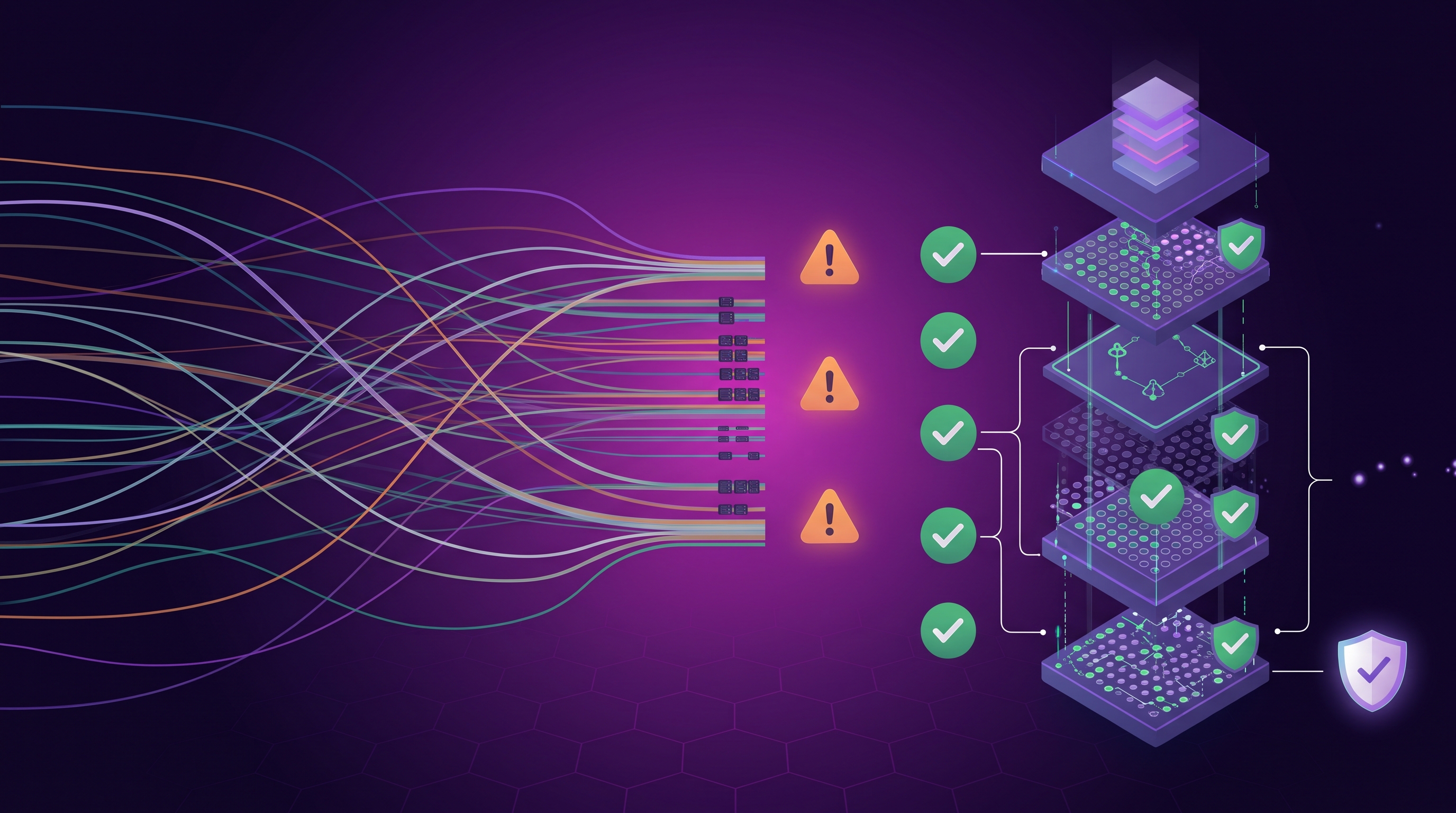
O Claude Opus 5.5 alcançou uma pontuação semelhante à do nosso skeleton builder, mas custou quase sete vezes mais e levou três vezes mais tempo. Entenda o que nosso sistema oferece além do modelo.
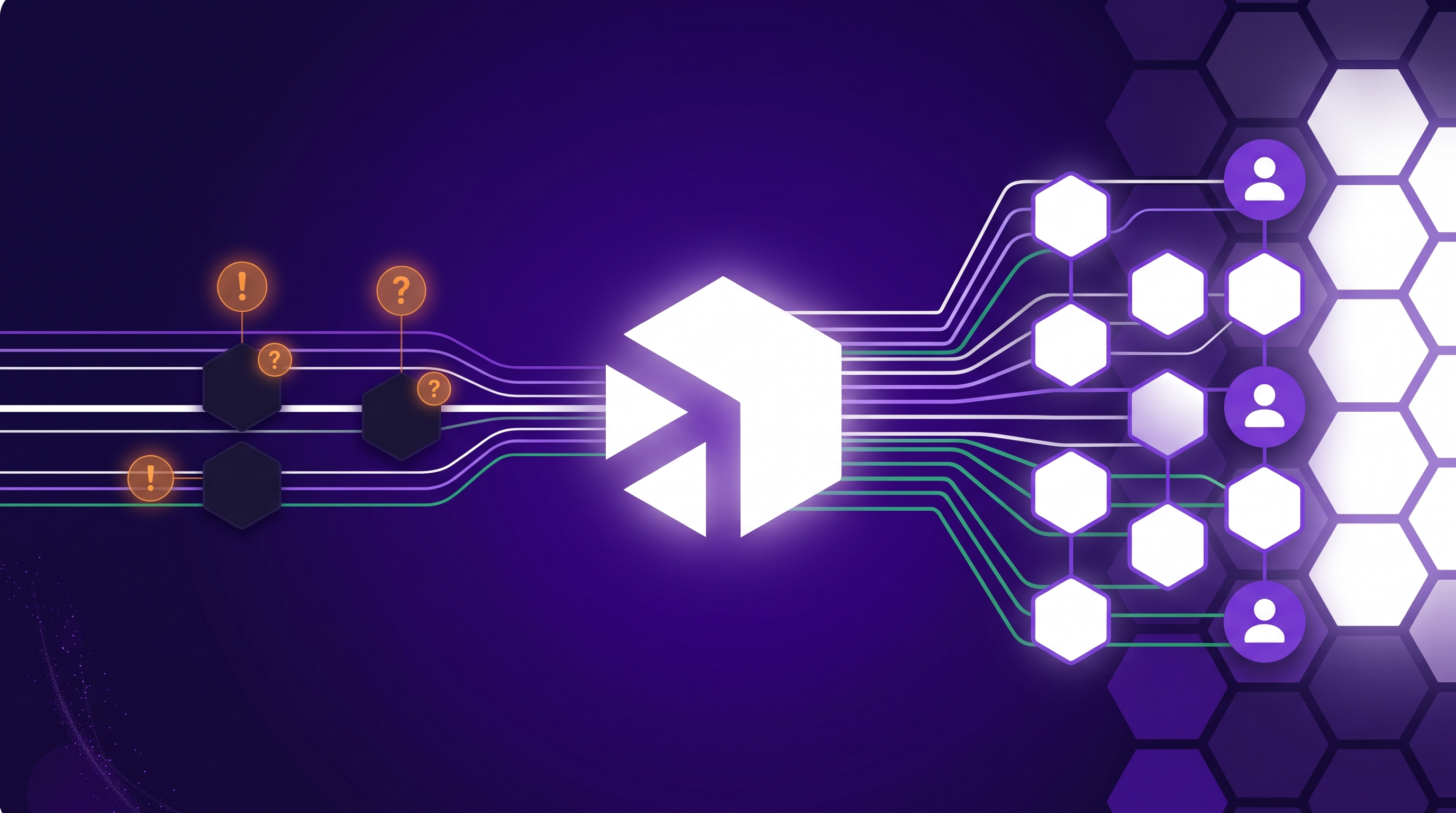
Ferramentas agênticas transformam o trabalho dos engenheiros de integração. Saiba como implementamos os Digibee Digital Workers na nossa equipe de Serviços Profissionais e prepare sua própria adoção.
Todo mundo espera que a IA reduza o backlog de integrações. Normalmente, acontece o contrário. Mas não precisa ser assim.

O Claude Opus 5.5 alcançou uma pontuação semelhante à do nosso skeleton builder, mas custou quase sete vezes mais e levou três vezes mais tempo. Entenda o que nosso sistema oferece além do modelo.
Ferramentas agênticas transformam o trabalho dos engenheiros de integração. Saiba como implementamos os Digibee Digital Workers na nossa equipe de Serviços Profissionais e prepare sua própria adoção.
Todo mundo espera que a IA reduza o backlog de integrações. Normalmente, acontece o contrário. Mas não precisa ser assim.