iPaaS means Integration Platform as a ServiceIntegration Platform as a Service (SaaS) is a cloud-based integration layer that connects systems, data, and processes with greater governance, security, and scalability. Instead of relying on isolated and difficult-to-maintain integrations, the company operates with a more structured foundation to integrate SaaS applications, legacy systems, databases, and APIs into a more predictable architecture.
What is iPaaS and why has this concept become so important?
iPaaS stands for Integration Platform as a ServiceIn practical terms, it's a cloud platform created to integrate different systems and allow data to flow more consistently between applications, processes, and areas of the company. This includes SaaS environments, on-premises systems, databases, and APIs that need to operate in a coordinated manner.
This concept has gained relevance because the corporate environment has become much more distributed. Today, it is common for operations to depend on ERP, CRM, digital platforms, internal applications, cloud data, and legacy systems coexisting simultaneously. When these layers do not connect well, information silos, rework, low visibility, and greater difficulty in sustaining growth with control arise.
This is where iPaaS becomes strategic. It's not just about connecting applications. It helps transform integration into a seamless capability of the enterprise architecture, reducing complexity and enhancing governance.
How does iPaaS work in practice?
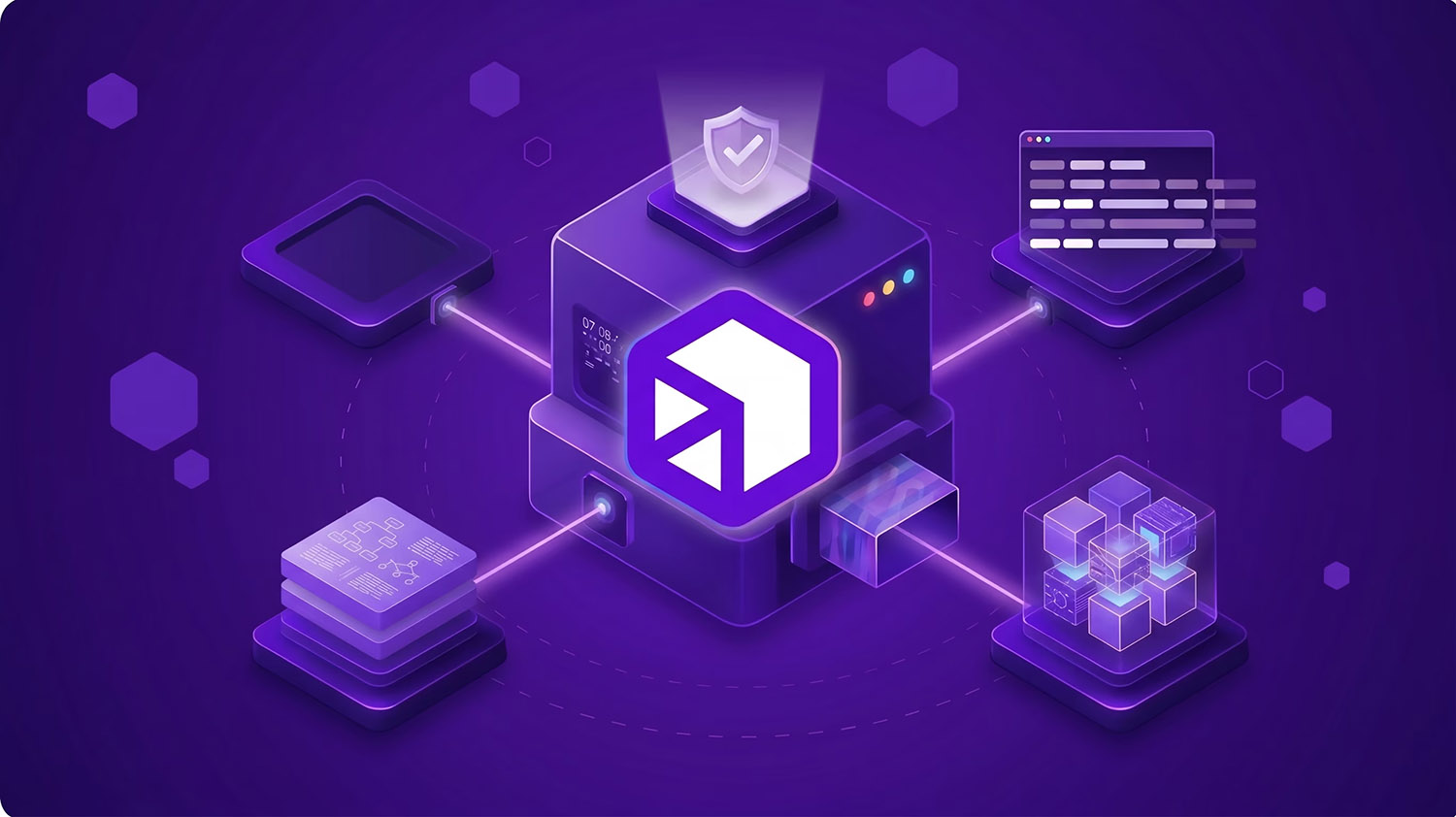
iPaaS functions as a central integration layer. Instead of creating isolated connections between each system, the company now has a platform capable of organizing connectivity, data transformation, workflow orchestration, and monitoring in a more unified environment.
In practice, this means that the platform receives data from a source, applies business rules, transforms formats when necessary, and delivers the information to the correct destination. This flow can happen in real time, through events, or according to the operational logic of each process.
Another important point is observability. A mature integration platform needs to offer logs, alerts, traceability, and control mechanisms so that the company can monitor what is happening in critical workflows. This is what allows for more secure, predictable, and scalable integration.
What are the main benefits of iPaaS?
The benefits of iPaaS begin with reduced complexity. Instead of maintaining multiple fragile integrations, the company operates with a more structured foundation for connecting systems, data, and processes. This improves productivity, reduces rework, and strengthens information consistency.
Another important benefit is the speed of integration. New workflows can be created more quickly, without relying on completely improvised approaches for each need. This helps the operation respond better to business changes, new channels, partners, and technological demands.
There are also clear gains in governance, security, and scalability. In corporate environments, integration needs to be observable, secure, and prepared to grow along with the business. It is precisely this combination that makes iPaaS so relevant in responsible modernization initiatives.
Important points
- iPaaS stands for Integration Platform as a Service.
- Its role is to connect systems, data, and processes in a more manageable layer.
- iPaaS reduces information silos, rework, and low operational visibility.
- The platform organizes connectivity, transformation, orchestration, and monitoring.
- The value of iPaaS goes beyond automation and involves governance, security, and scalability.
- In enterprise environments, it supports modernization without adding to architectural clutter.
In which use cases does iPaaS make the most sense?
iPaaS makes sense in scenarios where multiple systems need to operate together reliably. This includes integrations between ERP and CRM, synchronization between digital channels and back-office, connection between SaaS applications, integration with databases, modernization of legacy systems, and process automation across departments.
It is also especially useful when the company needs to grow without making its architecture even more difficult to manage. Without a clear integration layer, each new application tends to increase the fragmentation of the environment. With iPaaS, the organization can better structure this evolution.
In practice, this makes a difference because integration ceases to be a set of isolated projects and begins to function as part of the infrastructure that supports operation, innovation, and scale.
What is the difference between iPaaS, PaaS, ETL, and middleware?
This distinction is important because the terms appear in the same universe but do not fulfill the same role. iPaaS focuses on integration between systems, data, and processes. PaaS is more closely linked to the development and execution of applications. ETL is usually associated with data extraction, transformation, and loading, mainly in analytical scenarios. Middleware, on the other hand, can be part of integration scenarios, but typically requires more technical effort and more distributed maintenance.
iPaaS stands out by offering a more structured layer for corporate environments, bringing together integration, orchestration, observability, and governance in an approach more aligned with the current complexity of businesses.
Read more
What does iPaaS mean?
iPaaS means Integration Platform as a Service, or Integration Platform as a Service.
What is iPaaS in practice?
It is a cloud platform used to integrate systems, data, and processes with greater control, security, and scalability.
What is the main function of iPaaS?
The main function of iPaaS is to allow different applications and environments to exchange information in a structured and governable way.
What is the difference between iPaaS and PaaS?
iPaaS is geared towards system integration. PaaS is geared towards application development and execution.
Does iPaaS work with legacy systems?
Yes. iPaaS can integrate legacy systems with APIs, modern applications, and cloud environments.
Why do companies adopt iPaaS?
Because they need to reduce complexity, expand governance, accelerate integrations, and sustain growth with greater predictability.
Why iPaaS is a strategic foundation for enterprise integration.
Talking about iPaaS means talking about a company's ability to integrate its operations with maturity. In an increasingly distributed scenario, with cloud applications, legacy systems, APIs, data, and new digital demands coexisting simultaneously, integration is no longer a peripheral issue. It has come to directly influence operational efficiency, information quality, execution speed, governance, and innovation capacity.
At Digibee, we treat iPaaS as a strategic architectural foundation. It's not just about connecting software to software. It's about building a reliable layer to orchestrate flows, reduce complexity, increase operational visibility, and sustain technological evolution responsibly. When integration is structured correctly, the company stops accumulating weak connections and starts operating with more consistency, reuse, and predictability.
This vision is especially important for organizations that need to balance modernization and control. Enterprise integration needs to be secure, observable, scalable, and production-ready. It needs to support cloud, legacy, and APIs without turning the architecture into a set of difficult-to-maintain exceptions. It is at this point that iPaaS ceases to be merely a technological choice and becomes a decision of operational maturity.
In practice, iPaaS allows companies to connect critical systems, support digital transformation initiatives, and evolve faster without sacrificing governance. It is this role that reinforces its relevance today and its growing importance in the future of enterprise architecture.