An integration system is the layer that connects systems, applications, data, and processes so that operations function with greater consistency, security, and predictability. Instead of maintaining isolated tools and relying on manual tasks to reconcile information, the company begins to operate with automated workflows, better governance, and greater scalability. The base text starts precisely from this scenario by defining the integration system as the bridge between platforms that do not communicate natively.
Why has an integration system become so important?
Business operations have become more distributed. Today, it's common to have ERP, CRM, e-commerce, financial systems, customer service, logistics, databases, APIs, and legacy applications all working together. When these environments aren't connected in a structured way, rework, operational inconsistencies, low visibility, and greater difficulty in sustaining growth with control arise.
It is in this context that the integration system gains relevance. It doesn't exist merely to allow systems to exchange data. It exists to organize this exchange within a more reliable architecture, enabling information to flow more smoothly and processes to no longer depend on manual transfers between departments.
The submitted content illustrates this point precisely by linking integration to the elimination of slowness, errors, and isolation between software used within the company.
What is an integration system in practice?
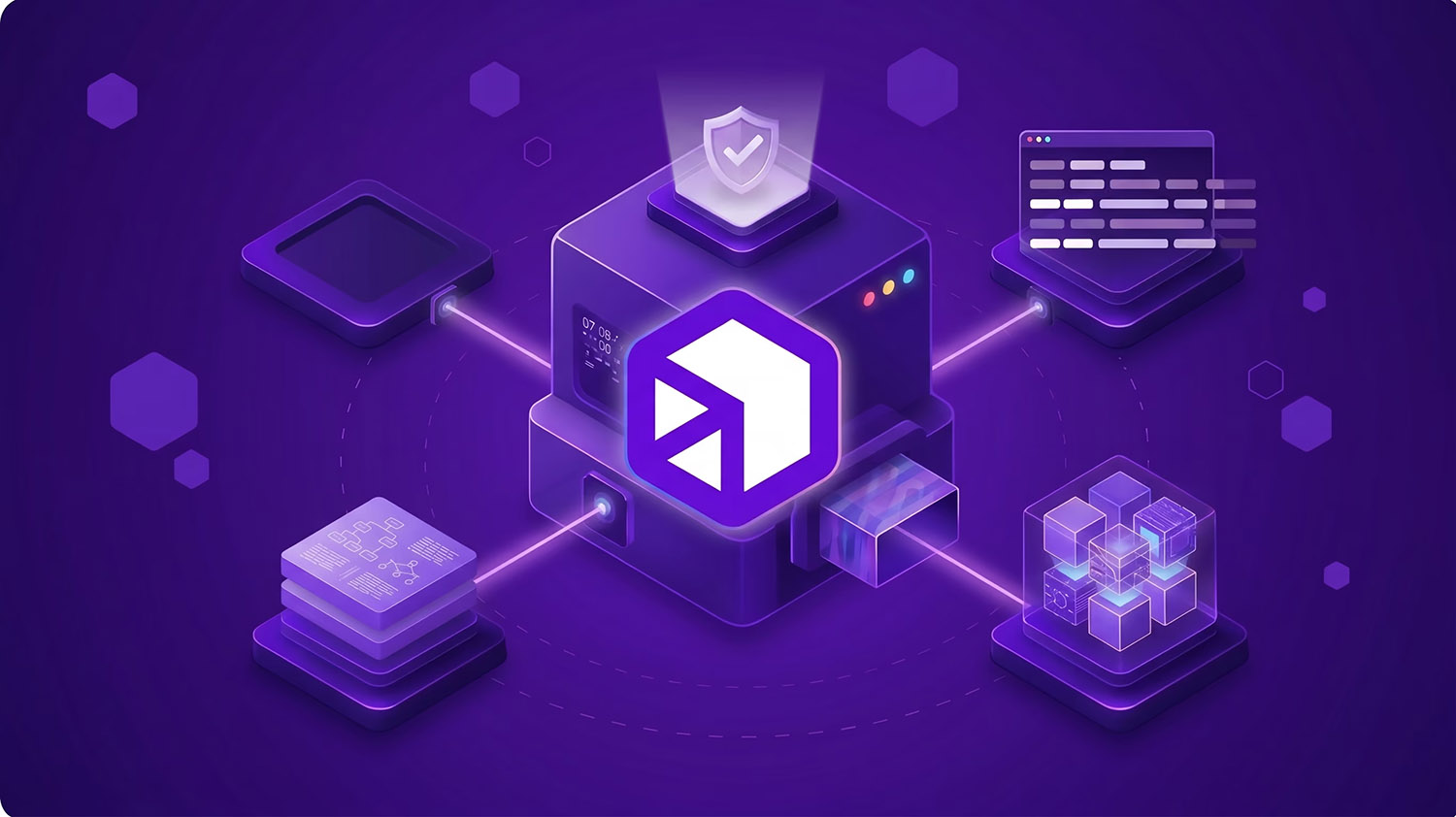
In practice, an integration system is a technological solution created to enable communication and data sharing between different systems, platforms, or applications. It acts as an intermediary layer that receives information from a source, applies rules, transforms formats when necessary, and sends this data to the correct destination.
This changes the dynamics of the operation. Instead of teams relying on duplicate entries, parallel spreadsheets, and constant reconciliations, the company begins to operate with more synchronized and reliable workflows. The base text uses exactly this logic when exemplifying the integration between inventory, sales, and invoice issuance.
More than just connecting tools, the integration system helps transform a fragmented environment into a more coordinated operation. This is what makes it strategic for companies that need to grow without adding unnecessary complexity.
How does an integration system work?
The operation varies according to the architecture adopted, but the central logic is always the same: to mediate communication between systems that need to exchange data in a structured way. This communication can happen in real time or at scheduled intervals, depending on the criticality of the flow.
The text highlights APIs, web services, message queues, and specific connectors as common means for this integration. In practical terms, this means that orders, registrations, updates, reports, and operational events will circulate between systems without the need for manual intervention.
In corporate environments, this functionality needs to go beyond simple connectivity. Integration must operate with observability, security, traceability, and fault response capabilities. This is what differentiates a functional connection from an integration truly ready for production.
Important points
- An integration system connects systems, data, and processes in a more coordinated layer.
- Its role is to reduce silos, rework, and operational inconsistencies.
- APIs, web services, message queues, and connectors can make up this architecture.
- The value of integration goes beyond automation and involves governance, security, and scalability.
- In enterprise environments, integration needs to be observable, reusable, and prepared for continuous evolution.
- A company grows better when integration is treated as part of the architecture, not as a one-off adaptation.
What are the main types of integration?
The base text organizes four main types. Horizontal integration connects systems from different areas within the same organization, such as ERP, CRM, HR, and logistics. Vertical integration connects different levels of operation, such as the factory floor and business management. Middleware integration uses an intermediary layer to translate and route data between systems that were not designed to interact directly. API integration, on the other hand, relies on standardized interfaces to connect applications more flexibly.
These categories help to understand that integration is not a one-size-fits-all solution. Each approach addresses a specific type of operational and architectural need. In an enterprise context, the important thing is to choose the strategy that balances process criticality, governance, security, and the ability to evolve over time.
What benefits and challenges does this system bring?
The benefits begin with process automation, error reduction, improved decision-making, cost reduction, scalability, and a better customer experience. The material provided highlights all these points by showing that integration accelerates the flow of information and improves the quality of operations.
At the same time, implementation requires attention. System compatibility, information security, initial cost, and project complexity are among the main challenges. The base text also reinforces that integration requires planning, testing, and a qualified team to avoid negative impacts.
This shows that integration should not be treated as a technical improvisation. It needs to be thought of as an architectural capability of the company, with a long-term vision and real operational support.
Read more
What is an integration system?
It is a technological solution that connects systems, applications, and data so that they can exchange information in a structured and automatic way.
How does an integration system work?
It mediates communication between two or more applications through APIs, web services, connectors, message queues, or other technical approaches.
What are the main types of integration?
The main types mentioned in the content are horizontal integration, vertical integration, middleware integration, and API integration.
What benefits does integration deliver?
Automation, error reduction, improved decision-making, increased efficiency, scalability, and a better customer experience.
Is it possible to integrate legacy systems with new ones?
Yes. This may require middleware, specific connectors, or APIs developed to connect legacy environments to modern applications.
Is it worth investing in integration for smaller companies?
Yes. Even smaller companies gain agility, reduced errors, and increased efficiency by automating workflows between systems.
Why an integration system is an enterprise architecture topic
Talking about integration systems means talking about the foundation that supports more coordinated operations in an increasingly distributed technological environment. The base text demonstrates this by associating integration with automation, error reduction, operational efficiency, and competitiveness. In an enterprise context, this value needs to be expanded. Integration cannot be treated merely as a technical convenience. It needs to be understood as an architectural capability that connects critical systems with governance, security, and predictability.
At Digibee, we approach this topic from this perspective. The challenge isn't just about making tools exchange data. It's about structuring a reliable layer to reduce fragmentation, increase operational visibility, and sustain modernization responsibly. This requires more than connectivity. It demands observability, reuse, production protection, and the real ability to evolve alongside the business.
This approach is especially important for companies that work with cloud computing, APIs, legacy applications, and multiple platforms simultaneously. Without a mature integration foundation, each new connection tends to increase the complexity of the architecture. When integration is well-structured, the company connects the present of its operations to the future of its technological evolution with greater consistency and less technical debt.
Therefore, an integration system should not be seen merely as a tool. It is part of the foundation that allows the company to operate more intelligently, grow with greater control, and transform technology into a truly coordinated asset within the corporate architecture.