resources /
news
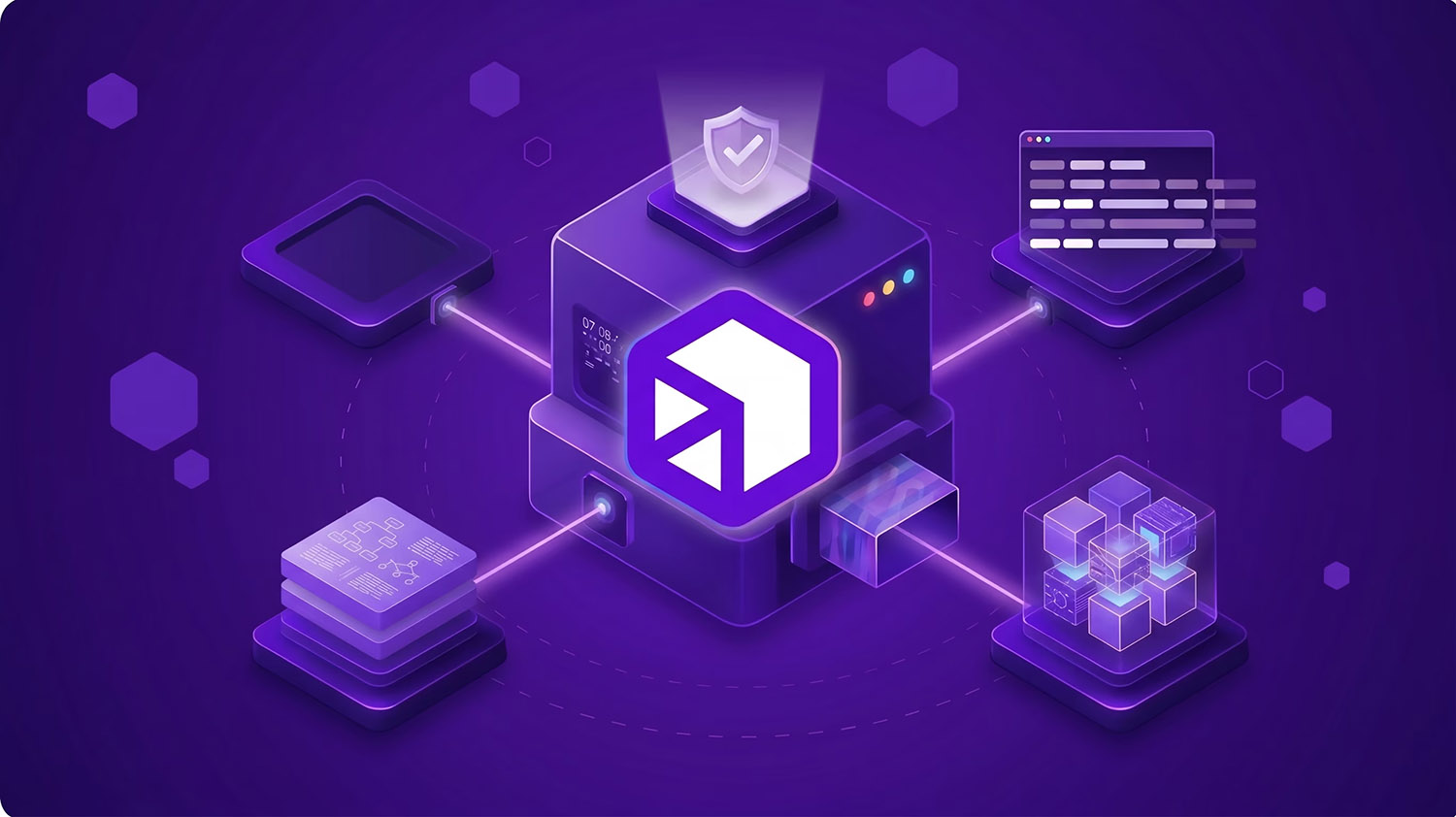
Is the truth in your code or your spec?
Is the source of truth held in the code, or in the specification? Why "vibe coding" falls short for enterprise infrastructure and why durable specifications are essential.
Read More
resources /
Is the source of truth held in the code, or in the specification? Why "vibe coding" falls short for enterprise infrastructure and why durable specifications are essential.
TOP BLOG POSTS
ALL BLOG POSTS

An integrated platform combines multiple systems into a single environment, enabling data exchange and automation. Learn how it works and its main benefits.

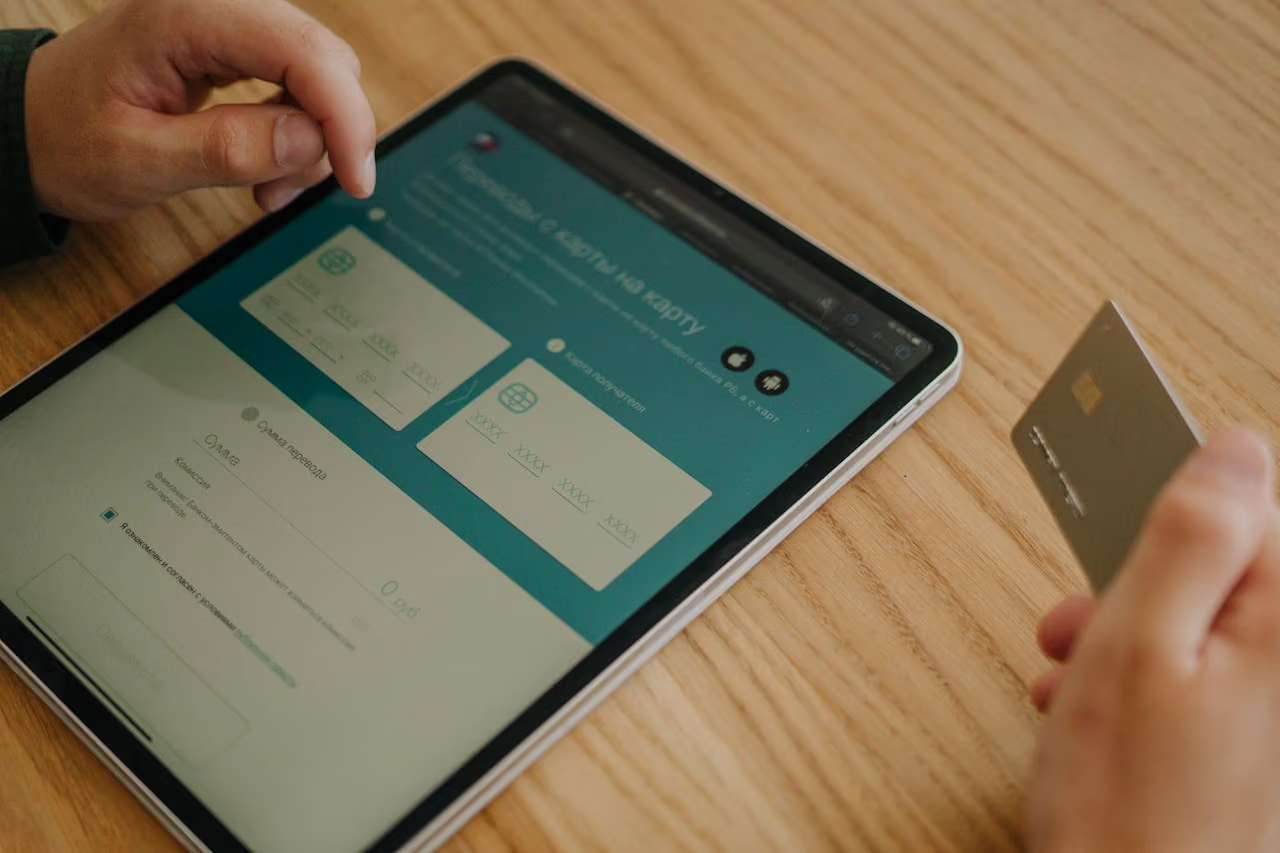
iPaaS is the Integration Platform as a Service, used to connect systems, centralize data, and automate workflows. Learn how it works and its main benefits.

An integration platform connects systems, centralizes data, and automates workflows. See how it works and why it's important for businesses.

The integration platform as a service allows you to connect systems in the cloud, centralize data, and automate processes. See how it works and its benefits.

An iPaaS platform connects applications, centralizes data, and automates integrations. Learn how it works and the benefits for businesses of all sizes.

The process of systems integration involves connecting software, standardizing data, and automating operations. Learn how it works and its main benefits.

There are 4 types of integration systems used to connect data and applications. Learn what they are, how they work, and in which scenarios each is best suited.

The three pillars of CRM are people, processes, and technology. People support the relationship, processes organize execution, and technology expands scale, context, and automation. In corporate environments, however, the real value lies not only in......

There are 3 main types of APIs, each with specific functions and applications. Learn what they are, how they work, and where each model is best suited.

The four most well-known types of CRM are operational, analytical, collaborative, and strategic. Each addresses a different level of the customer relationship. Operational CRM organizes and automates routines. Analytical CRM transforms data....