Integration software is the layer that connects systems, applications, data, and processes so that operations function with greater consistency, security, and scale. Instead of maintaining isolated tools and relying on manual tasks to reconcile information, the company begins to operate with automated workflows, better governance, and greater architectural predictability. The submitted text addresses precisely this problem of systems that don't "talk" to each other and shows how integration has become an operational and strategic necessity.
What is integration software in practice?
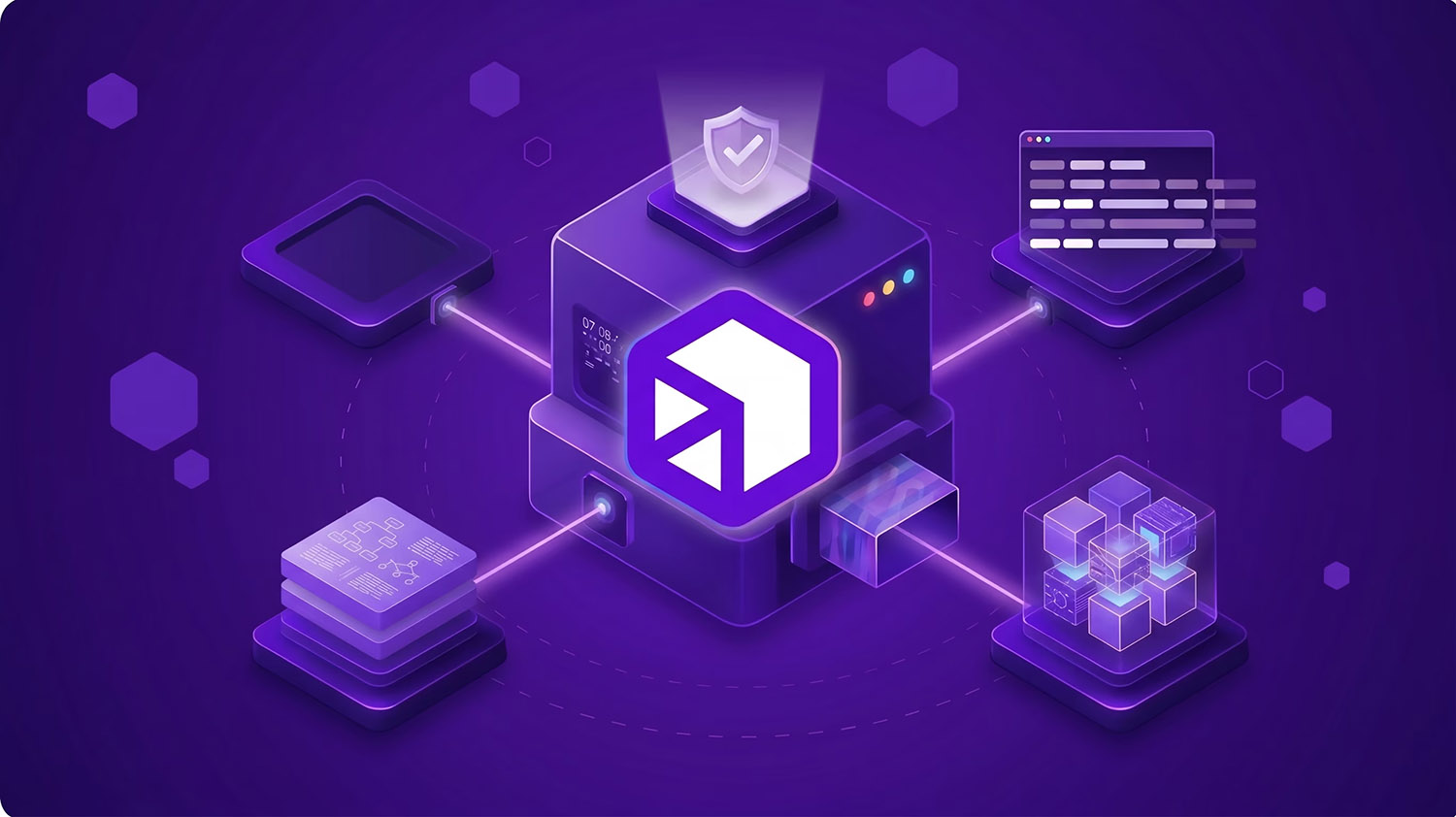
Integration software is a technology created to connect systems, applications, and data sources that need to operate together. In practice, it functions as an intermediary layer that receives information from a source, applies rules, transforms formats when necessary, and directs this data to the correct destination.
This changes the company's operational dynamics. Instead of relying on duplicate entries, parallel spreadsheets, and manual transfers between departments, the organization begins to work with more synchronized and reliable workflows. The core content describes exactly this role by presenting the integration software as a bridge between sales, logistics, customer service, and other applications that previously operated in isolation.
More than just connecting tools, integration software helps transform a fragmented environment into a more coordinated operation. This is what makes it so important for companies that need to grow without adding unnecessary complexity.
How does integration software work?
The operation of integration software involves connectivity, data transformation, workflow orchestration, and monitoring. It collects data from one system, interprets the content, adjusts formats, and sends the information to another system in a structured way. This can happen through APIs, connectors, data buses, and other integration approaches.
The text explains this functionality with a direct example: a purchase on an e-commerce site can automatically trigger updates to inventory, logistics flow, and other operational steps without manual intervention. This logic shows that the value of integration lies not only in the exchange of data, but also in the ability to support processes with greater fluidity.
In corporate environments, this functionality needs to go beyond simple connectivity. Integration must operate with observability, security, traceability, and the ability to respond to failures. This is what differentiates a functional connection from an integration truly prepared for production.
What types of integration software are there?
There are different types of integration software, and the choice depends on the architecture, technological maturity, and criticality of the processes. The material provided mentions iPaaS, middleware, ESB, and ETL tools as recurring categories.
The key point lies not only in the names of these categories, but in the role each one plays. Some are better suited for connecting cloud applications, others help mediate communication between different technologies, others support more robust corporate scenarios, and there are also approaches more focused on data movement and transformation.
In an enterprise context, this choice should not be driven solely by operational urgency. It needs to consider governance, scalability, security, and the capacity for architectural evolution. Integration is not just an immediate need; it becomes part of the structural foundation of the operation.
Important points
- Integration software connects systems, data, and processes in a more coordinated layer.
- Its role is to reduce silos, rework, and operational inconsistencies.
- APIs, connectors, buses, and other technologies enable the structured exchange of data.
- iPaaS, middleware, ESB, and ETL are among the most common models.
- The value of integration goes beyond automation and involves governance, security, and scalability.
- In enterprise environments, integration needs to be observable, reusable, and production-ready.
What benefits does integration software deliver?
The benefits begin with automation. The text highlights that manual tasks cease to consume time, which reduces errors and increases productivity. When systems exchange information in a structured way, the company avoids repeated entries, improves data consistency, and reduces friction between departments.
Another important benefit lies in the quality of information. Reports, indicators, and decisions better reflect the reality of operations when data circulates more consistently. This improves both current management and the ability to respond to market changes with greater clarity.
There is also a significant architectural benefit. As the company grows, new applications, partners, and workflows emerge. Without a well-defined integration foundation, each new connection tends to increase the fragmentation of the environment. With suitable integration software, the company creates better conditions to evolve its architecture with more control.
When does a company need integration software?
The need usually arises when the operation already shows clear signs of fragmentation. The source material cites objective indicators, such as systems that do not automatically share information, rework in data entry, difficulty in consolidating reports, lack of visibility over complete processes, and teams operating in isolation.
These signs show that integration has ceased to be an optional improvement and has become a structural solution. The more a company depends on multiple systems, the greater the importance of a layer capable of organizing the flows between them with greater predictability.
In practice, the integration software becomes the foundation that connects the present operation to the future architecture, without requiring constant improvisation for each new need.
Read more
What is integration software?
It is a technology that connects different applications and allows for the automatic exchange of data between them.
What are the types of integration software?
iPaaS, middleware, ESB, and ETL tools are among the best-known types.
Why is integration software important?
Because it automates processes, reduces errors, improves communication between systems, and strengthens data quality.
What is the role of iPaaS in integration?
iPaaS connects applications, data, and processes in the cloud with greater flexibility, governance, and scalability.
Is there integration for legacy systems?
Yes. Legacy systems can be integrated through intermediate layers, APIs, and other compatible approaches.
How do I get started using integration software?
The first step is to map needs, assess the current architecture, and choose an approach compatible with the company's critical workflows.
Why integration software is an enterprise architecture topic
Talking about integration software means talking about the foundation that supports a more coordinated operation in an increasingly distributed technological environment. The base text demonstrates this by associating integration with automation, the elimination of rework, improved data analysis, and a faster response to market demands. In an enterprise context, this value needs to be expanded. Integration cannot be treated merely as a technical convenience. It needs to be understood as an architectural capability that connects critical systems with governance, security, and predictability.
At Digibee, we approach integration software from this perspective. The challenge isn't just about making tools exchange data. It's about structuring a reliable layer to reduce fragmentation, increase operational visibility, and sustain modernization responsibly. This requires more than connectivity. It demands observability, reuse, production protection, and the real ability to evolve alongside the business.
This approach is especially important for companies that work with cloud computing, APIs, legacy applications, and multiple platforms simultaneously. Without a mature integration foundation, each new connection tends to increase the complexity of the architecture. When integration is well-structured, the company connects the present of its operations to the future of its technological evolution with greater consistency and less technical debt.
Therefore, integration software should not be seen merely as a tool. It is part of the foundation that allows the company to operate more intelligently, grow with greater control, and transform technology into a truly coordinated asset within the corporate architecture.